A concrete mixer truck is not just a transport vehicle; it is a mobile chemical reactor designed to keep concrete in a perfectly plastic state. Understanding these components is essential for ensuring operational efficiency and long-term durability.
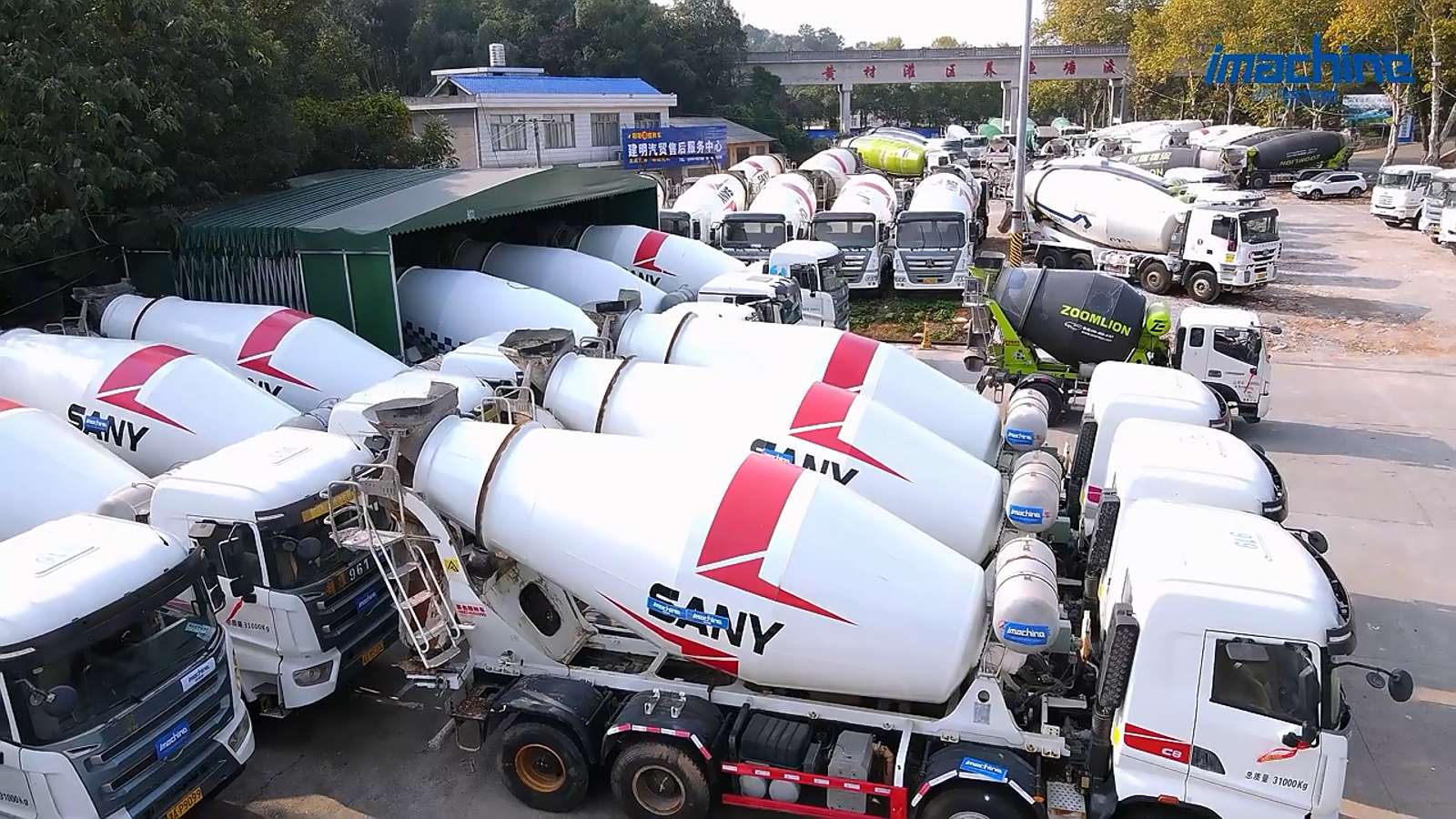
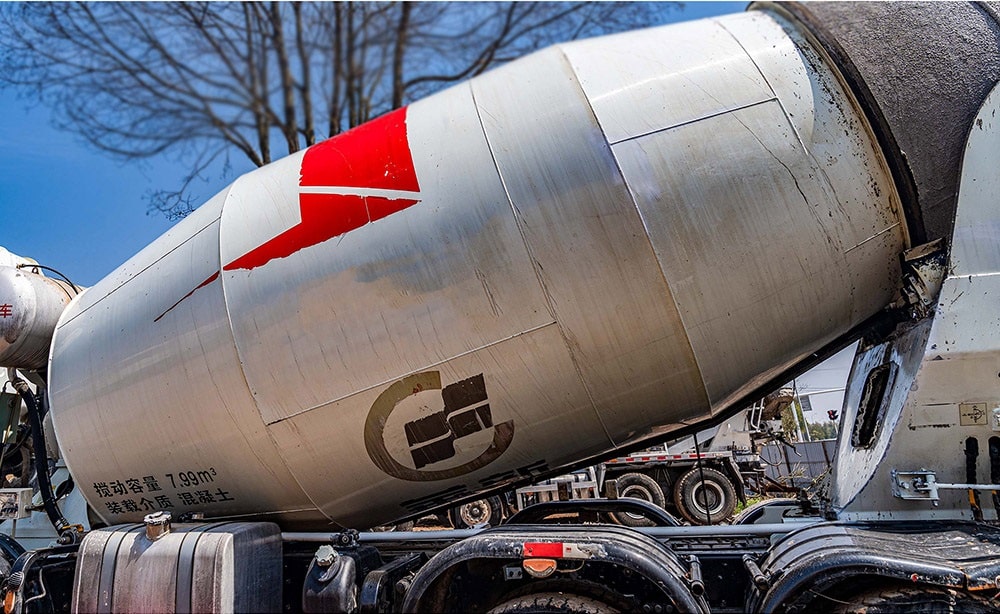
1. The Mixing Drum (The Vessel)
The most prominent part of the concrete mixer truck, the drum, is where the concrete is stored and mixed.
- Function: It rotates continuously to prevent the concrete from segregating or hardening during transit.
- Key Feature: High-quality drums (like those found on SANY or Zoomlion units) are made of high-strength, wear-resistant steel to withstand the abrasive nature of stone and sand.
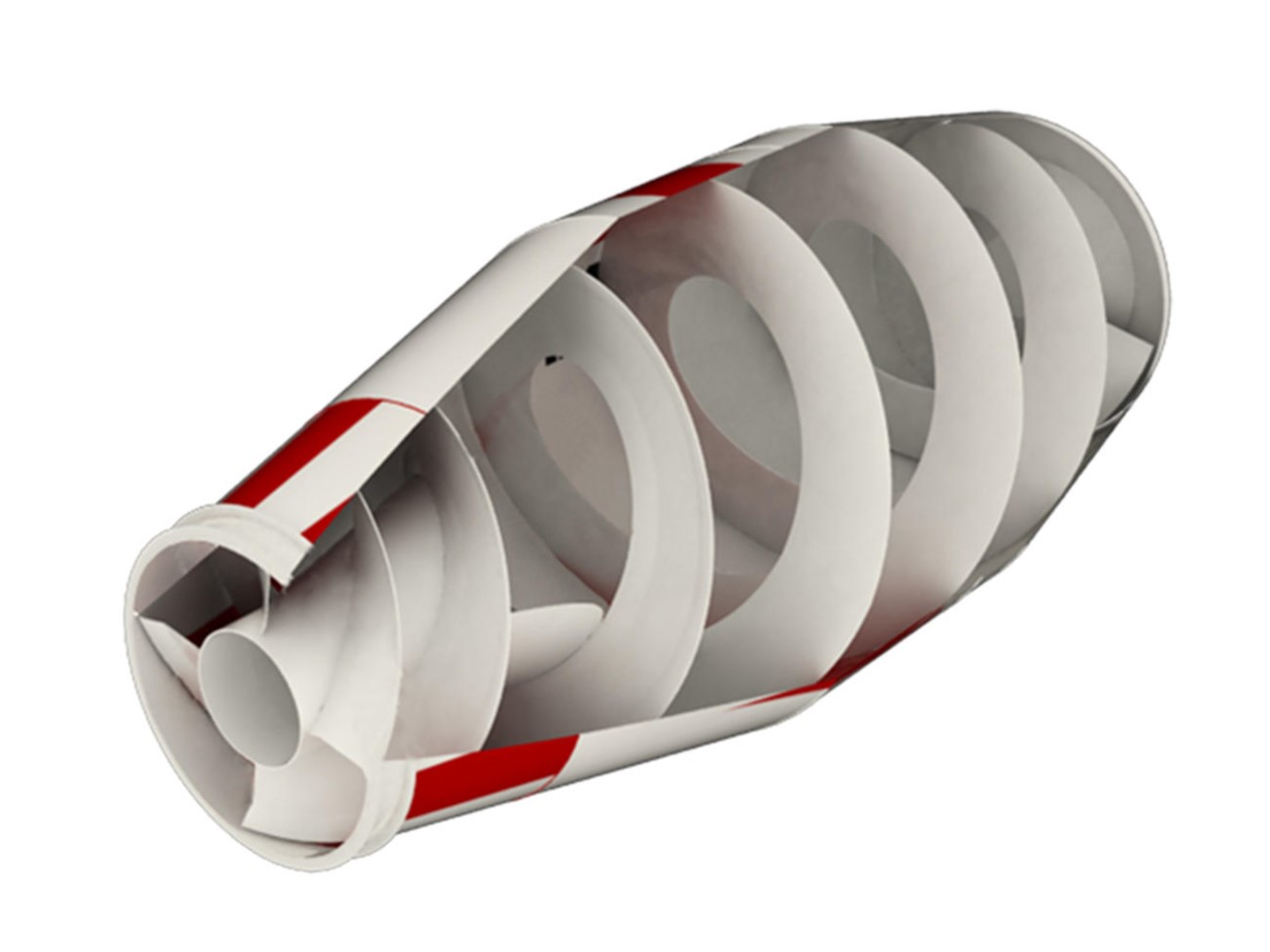
2. Internal Spiral Blades (The Agitators)
Inside the drum, there are two sets of spiral blades welded to the inner walls.
- Function: They operate on a simple but ingenious principle: when the drum rotates in one direction, the blades push the concrete to the bottom (mixing/charging); when the drum rotates in the opposite direction, the Archimedes’ screw effect pushes the concrete out (discharging).
- Maintenance Tip: Worn blades significantly reduce the quality of the mix and the speed of discharge.
3. The Hydraulic Drive System (The Powerhouse)
This system consists of a hydraulic pump, a motor, and a radiator.
- Function: It converts the engine’s mechanical energy into hydraulic pressure to rotate the heavy drum.
- Components: Top-tier Chinese exporters often use world-class hydraulic brands like Rexroth or Eaton. The radiator is crucial for preventing the hydraulic oil from overheating during long hauls in hot climates (e.g., the Middle East or SE Asia).
4. The Reduction Gearbox (The Torque Multiplier)
Located between the hydraulic motor and the drum.
- Function: It reduces the high speed of the hydraulic motor to a stable, high-torque rotation (usually 0–18 RPM) required to turn a drum weighing several tons when fully loaded.
5. The Water Supply System
Typically consists of a pressurized water tank (300L–800L) and a piping system.
- Function: 1. Cleaning: Crucial for washing out the drum after discharge to prevent “concrete buildup.” 2. Consistency: Allows the operator to add small amounts of water during transit to maintain the desired slump (workability) of the concrete.
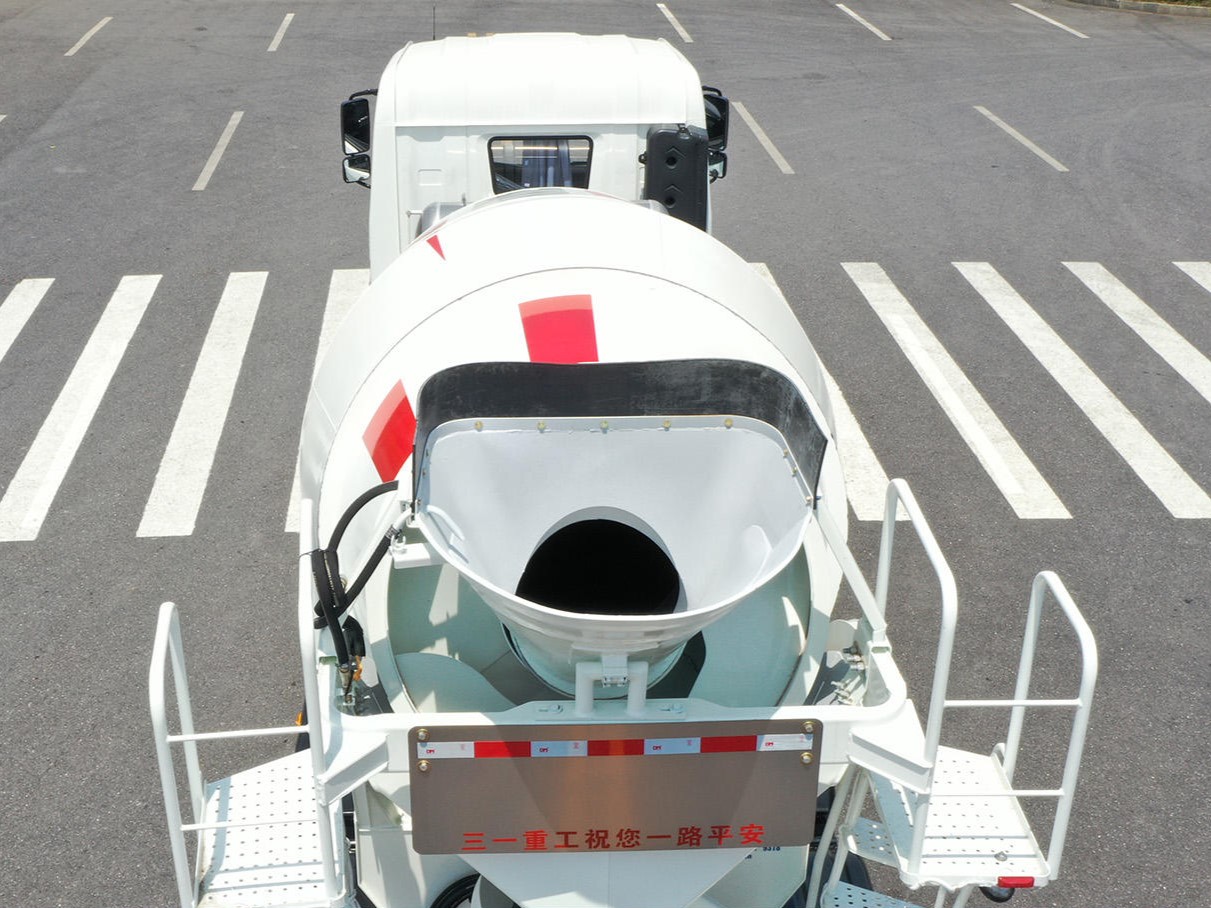
6. The Charging & Discharging System (The Chutes)
The chutes of a truck mixer includes the feed hopper, the discharge chute, and the extension chutes.
- Function: The hopper directs the raw materials into the drum, while the adjustable discharge chute allows for precise pouring into pumps or formwork at the job site.
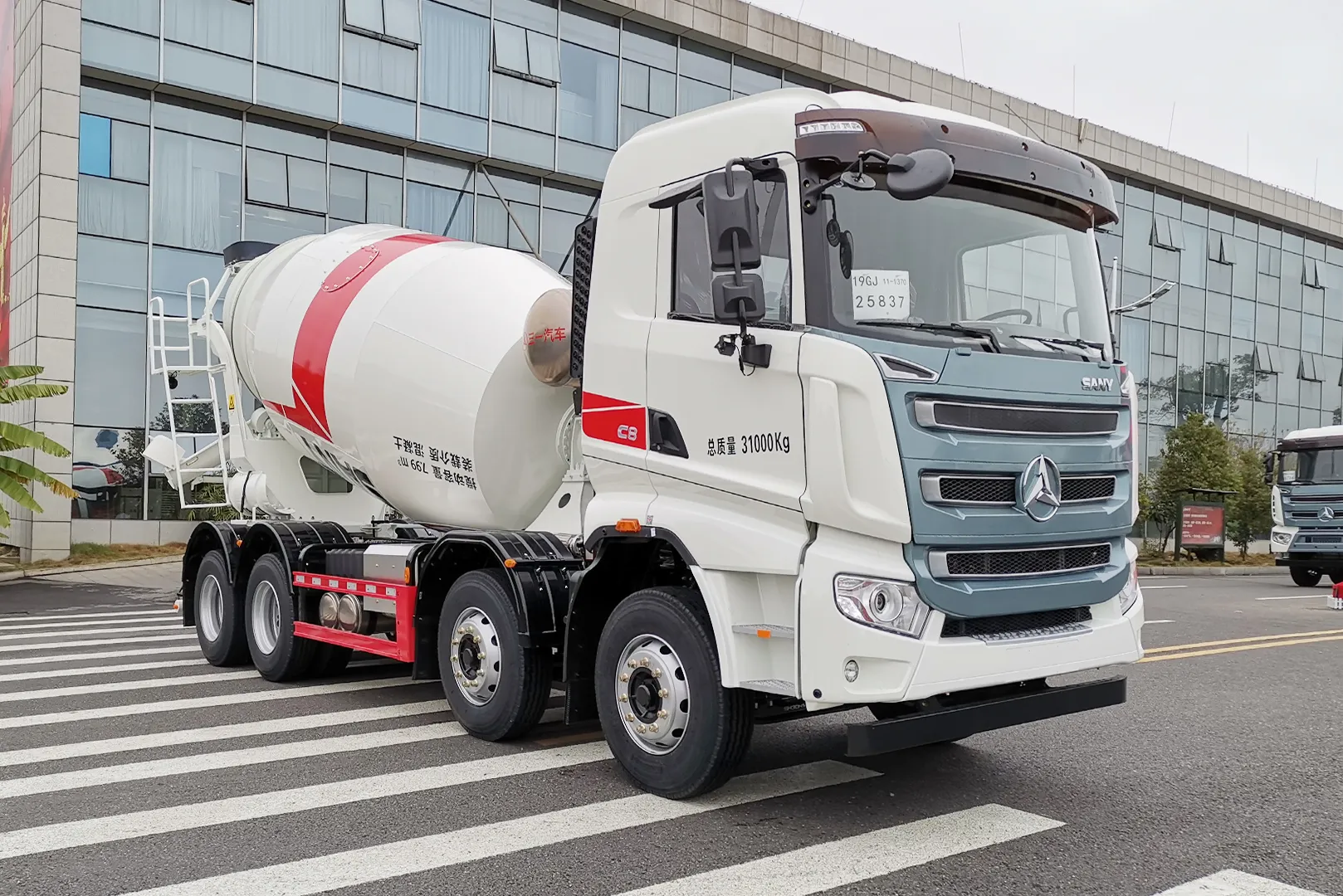
7. The Truck Chassis (The Foundation)
The heavy-duty frame (often from brands like SANY, Howo, or Shacman) that carries the entire mixing assembly.
- Function: It provides the mobility and structural support needed to navigate rugged construction sites. It must have a high-torque engine and a reinforced suspension system to handle the shifting center of gravity of a rotating load.
Summary for Buyers: Why Component of Concrete Mixer Truck Quality Matters
In the world of heavy machinery, “good enough” is never enough. Each component of a truck mixer—from the heavy-duty chassis to the smallest hydraulic seal—plays a vital role in the machine’s safety, efficiency, and longevity. Prioritizing the technical integrity of the entire assembly, rather than just the main engine or the exterior paint, is the only way to ensure a reliable and productive asset on the job site.