Investing in a used concrete pump truck is a strategic move for construction companies looking to balance project efficiency with capital expenditure. However, the used machinery market is filled with equipment in varying conditions, and finding a high-quality unit requires more than just looking at a price tag or the manufacturing year. From structural integrity to hydraulic health and historical maintenance, multiple factors dictate the machine’s true value and its remaining service life. A comprehensive evaluation is essential to ensure your investment delivers consistent performance and safety on the job site.
Essential Components of a Used Concrete Pump Truck
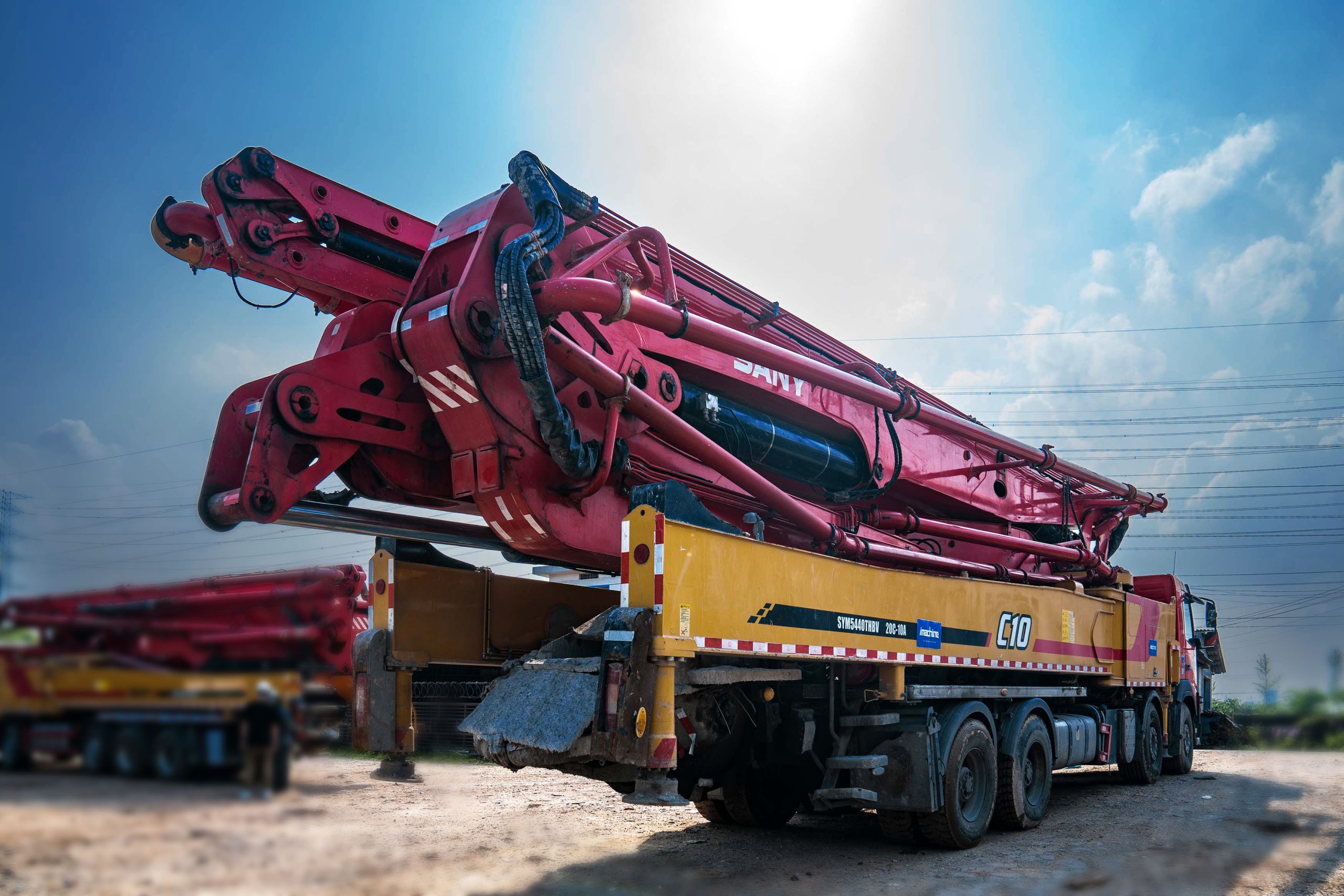
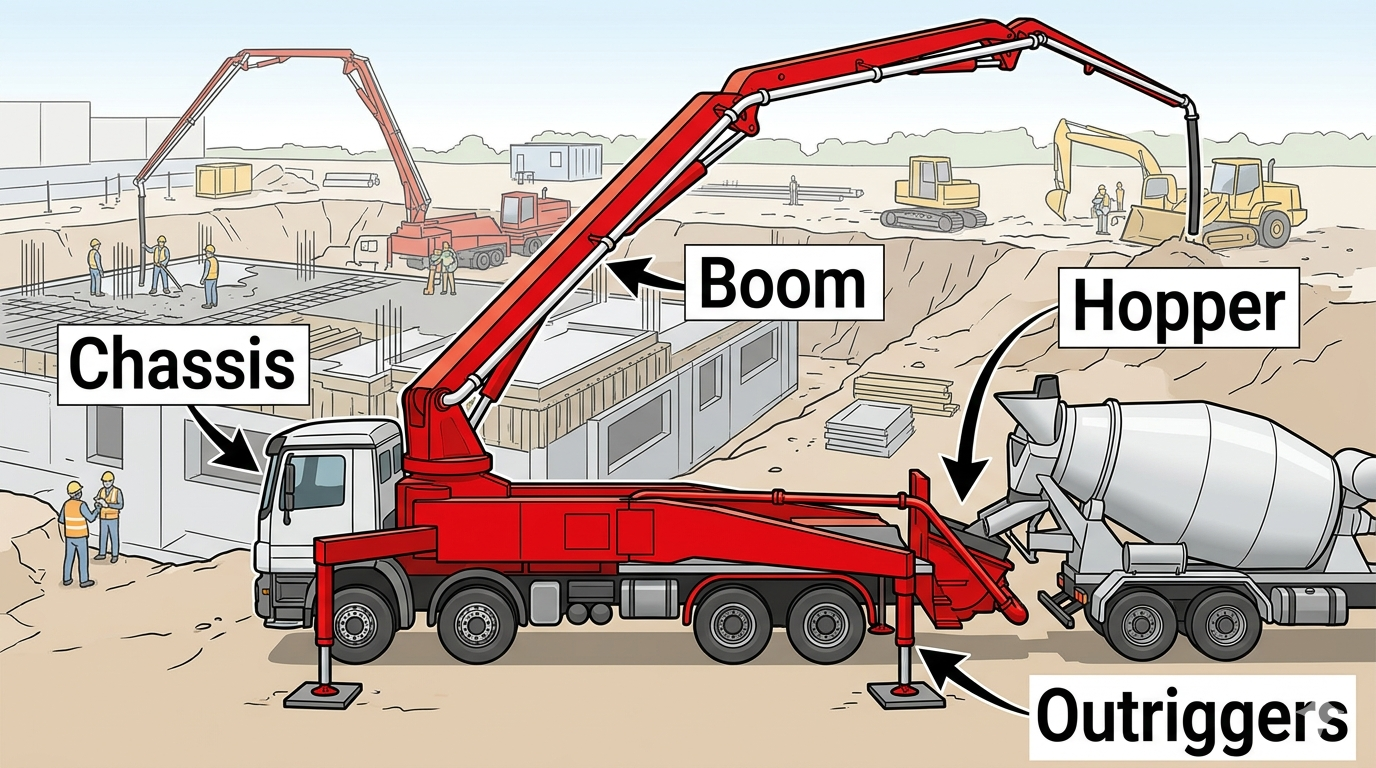
A pump truck is a complex integration of automotive engineering and hydraulic power. Understanding its core components is the first step to a wise investment:
The Chassis: The foundation of the machine (e.g., SANY, Zoomlion, or Mercedes-Benz). It determines the mobility and road legality of the unit.
The Pumping Unit: Including the hopper, S-valve, and delivery cylinders. This is the “heart” that moves the concrete.
The Boom System: The hydraulic foldable arm that delivers concrete to heights or distances.
Hydraulic & Control Systems: The “brain” and “muscles” that coordinate every movement via pumps, valves, and remotes.
Key Inspection Points Before Purchase
A visual inspection is never enough. To ensure the machine can perform under high-pressure site conditions, a deep dive into these five technical areas is mandatory:
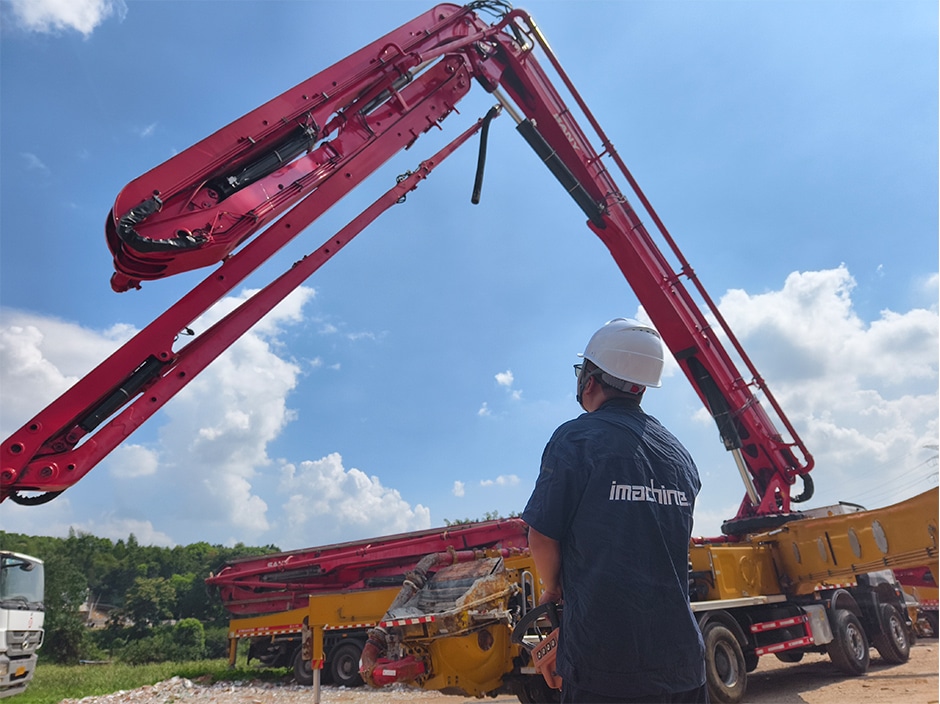
The Boom & Structural Integrity
The boom is the most critical and expensive component. We focus on the First Section and the Turret (Slewing Base) where stress is most concentrated.
Weld Scars & Fatigue: Look for “spider-web” micro-cracks or signs of unprofessional re-welding. Structural failure on-site can be catastrophic.
Bushings & Pins: Check for excessive “play” or movement in the joints. Lack of lubrication leads to premature wear of these expensive parts.
Hydraulic System: The “Heart” Health
Most modern pumps from SANY or Zoomlion use high-end components like Rexroth or Kawasaki pumps.
Pressure Stability: Observe the pressure gauge during a dry run. The needle should be steady. Violent fluctuations indicate a failing accumulator or an inefficient main pump.
Hydraulic Oil Condition: Milky oil means water contamination; dark, burnt-smelling oil indicates the system has been chronically overheating.
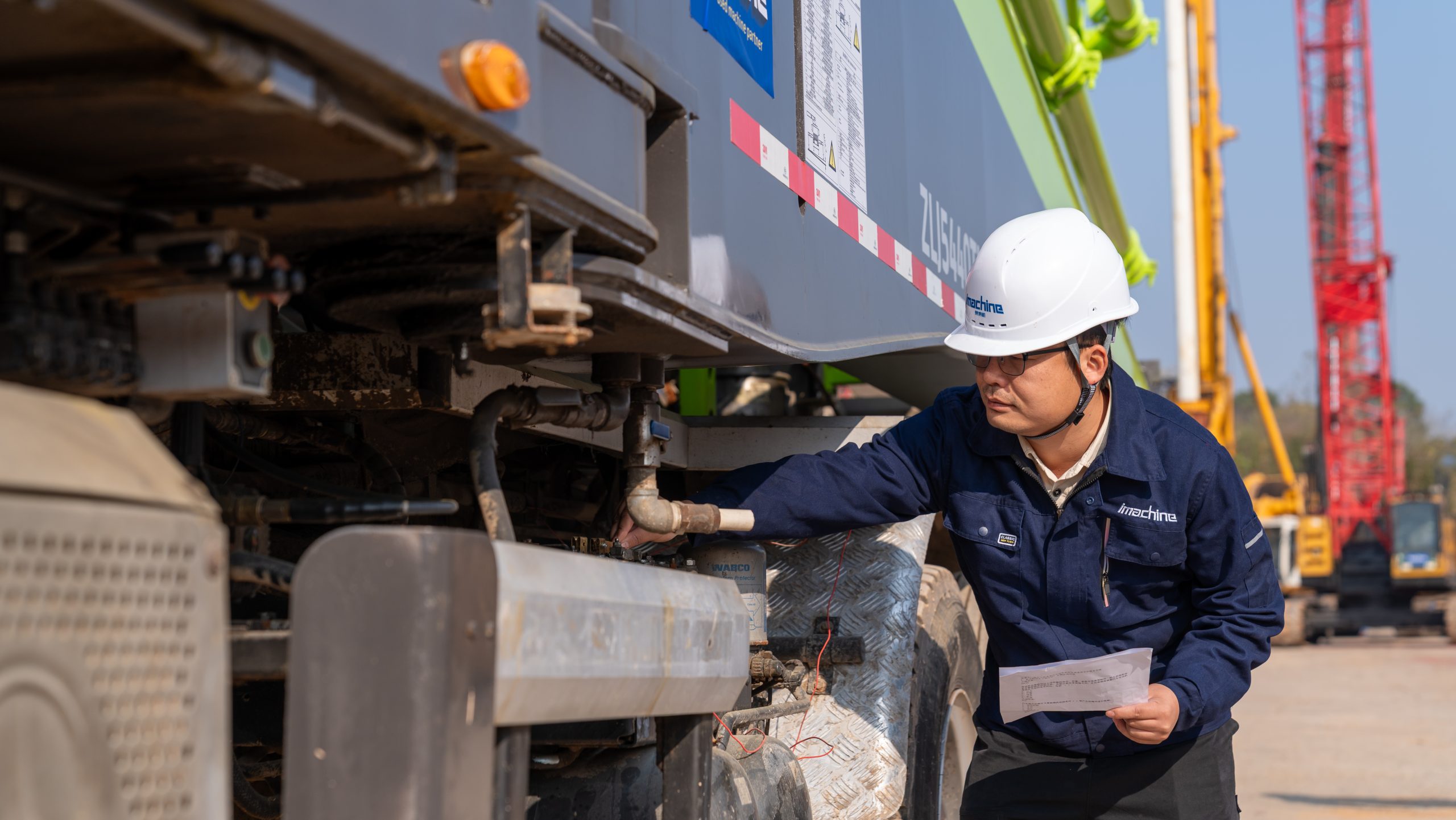
Chassis, Engine, and Transmission
Whether it’s a SANY-branded chassis or a Mercedes-Benz, the engine must provide enough power to drive both the truck and the pump.
Engine Blow-by: Open the oil filler cap while the engine is running. Excessive smoke or pressure suggests worn piston rings.
Chassis Rails: Inspect for heavy rust or scaling, especially on units sourced from coastal or humid regions.
Electrical Systems & Safety Controls
Modern units rely on PLC (Programmable Logic Controllers) for precise movements.
Remote Control Response: Test the wireless remote for lag, dead zones, or interference.
Emergency Stops: Ensure all E-stop buttons are functional. Bypassed safety systems are a sign of neglectful maintenance.
The takeaway for any buyer is simple: The cheapest unit upfront often becomes the most expensive after a few months of operation. A structural crack or a failing main pump can cost tens of thousands of dollars to repair. By conducting a rigorous technical audit, you aren’t just buying a machine; you are buying the certainty that your project will stay on schedule.
Understanding Pump Hours and Usage History
While the hour meter is a direct indicator of a pump’s workload, it only tells half the story. To ensure a wise investment, you must balance the “quantity” of hours with the “quality” of the machine’s history.
Hours vs. Life Expectancy: Compare the meter reading with the manufacturer’s lifespan benchmarks. High-hour units often face increased wear on critical hydraulic components, requiring more frequent maintenance.
Maintenance Records: A machine with documented service history—including oil changes and hydraulic inspections—is a far safer bet. Conscientious maintenance prevents “hidden mechanical flaws” and costly unscheduled downtime.
Previous Applications: Not all hours are equal. Pumps used in light residential projects typically have less wear than those subjected to high-pressure pumping, abrasive mixes, or extreme industrial environments.
Partner with a Trusted Used Concrete Pump Truck Supplier
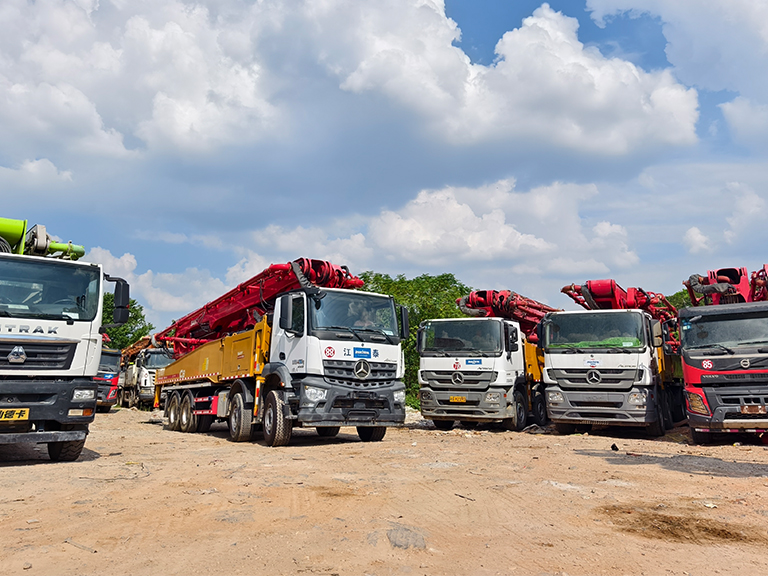
Navigating the Chinese used machinery market requires a partner who understands both the equipment and international trade. This is where imachine stands out:
- 16+ Years of Expertise: We specialize in top-tier brands like SANY, Zoomlion, and XCMG, ensuring every unit meets international standards.
- Rigorous Inspection: Every pump truck at imachine undergoes a 50-point technical evaluation before export.
- Global Logistics & Support: From the Middle East to Central Asia and Russia, we handle the complexities of shipping and documentation so you don’t have to.
Conclusion
Buying a high quality second-hand pump truck is a strategic decision that can significantly boost your project’s ROI—if you choose correctly. Focus on structural integrity, hydraulic health, and proven maintenance rather than just the price tag.