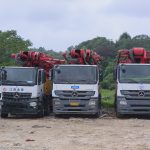
Concrete pump truck is indispensable large-scale equipment in modern construction, capable of transporting concrete quickly and efficiently to the construction site. Whether you are a newcomer to the industry or an experienced procurement specialist, you are bound to have many questions about this high-value equipment.
Today, we have compiled the most frequently asked questions about concrete pump trucks.
1.What is a concrete pump truck and how does it work?
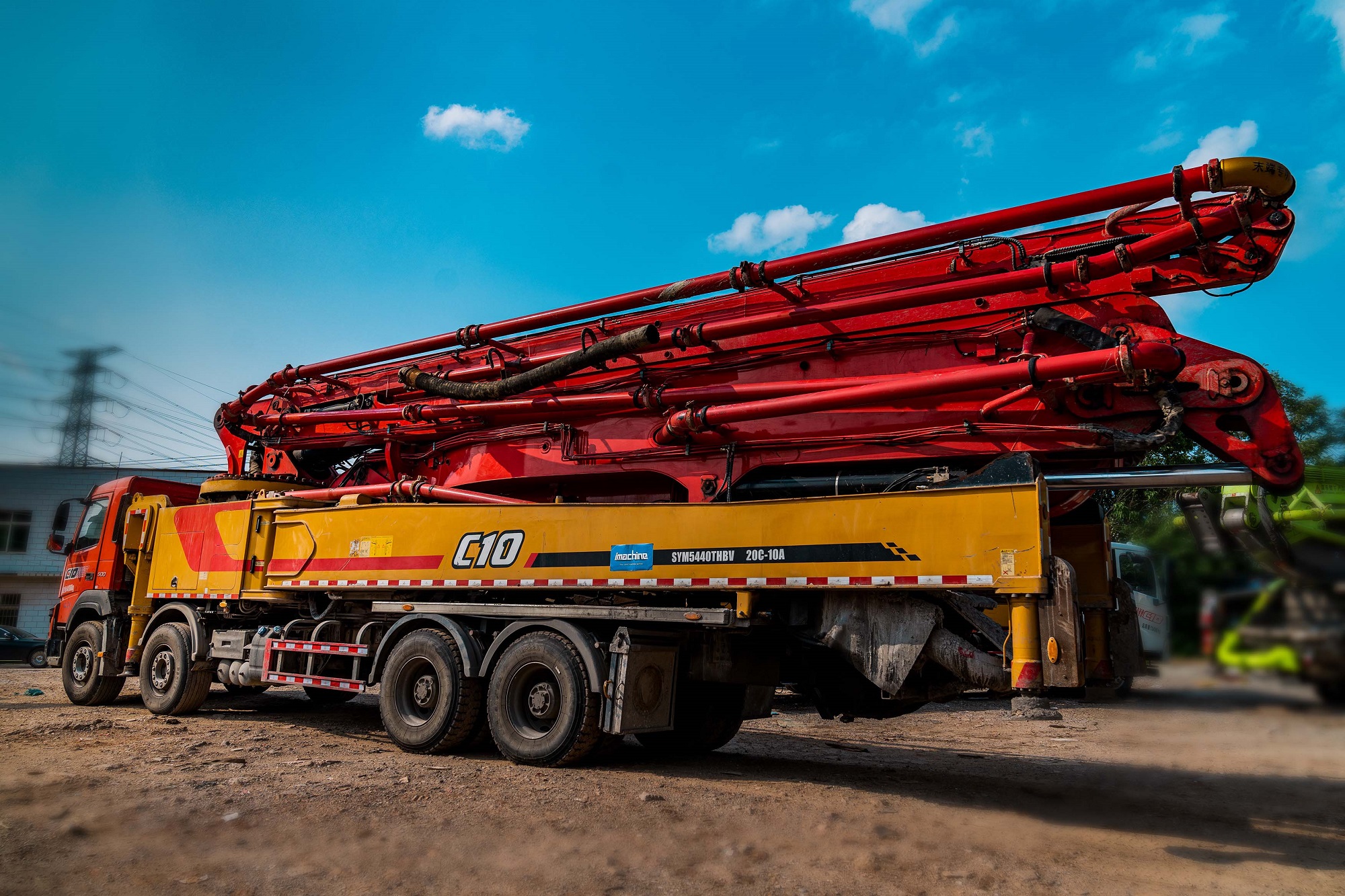
A concrete pump truck is a machine that uses pressure to continuously transport concrete along a pipeline. It not only pumps concrete but also comes with a boom that can place the concrete directly at the pouring point.
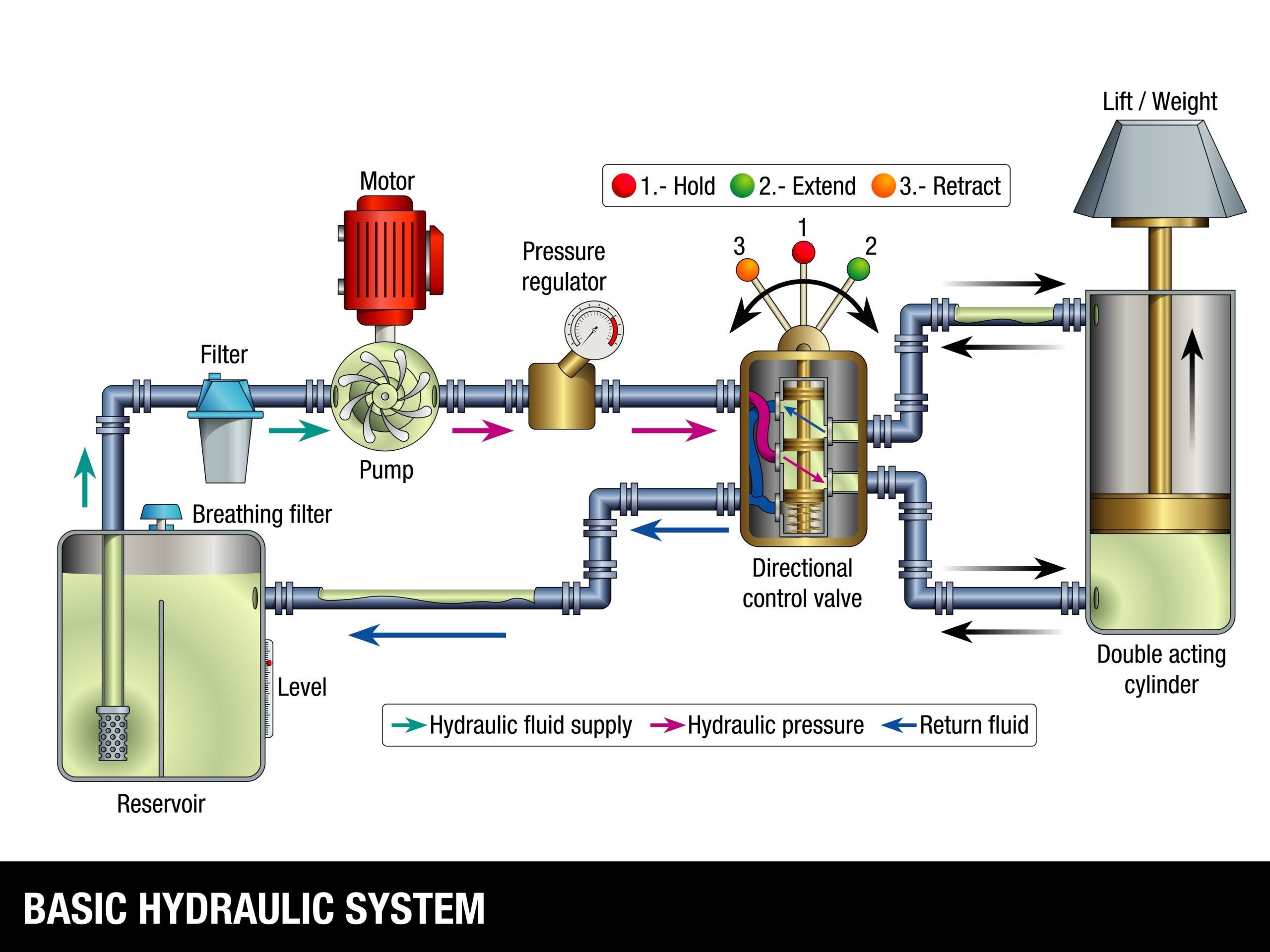
Its core principle typically involves a hydraulic system driving pistons in a material cylinder to move back and forth, sucking in and pressing out concrete. During the pumping process, the boom acts as flexibly as a human arm, maneuvering over obstacles to precisely place concrete in high-rise or tight areas.
2.What are the main types of concrete pump truck?
Concrete pump trucks are primarily divided into two main categories:
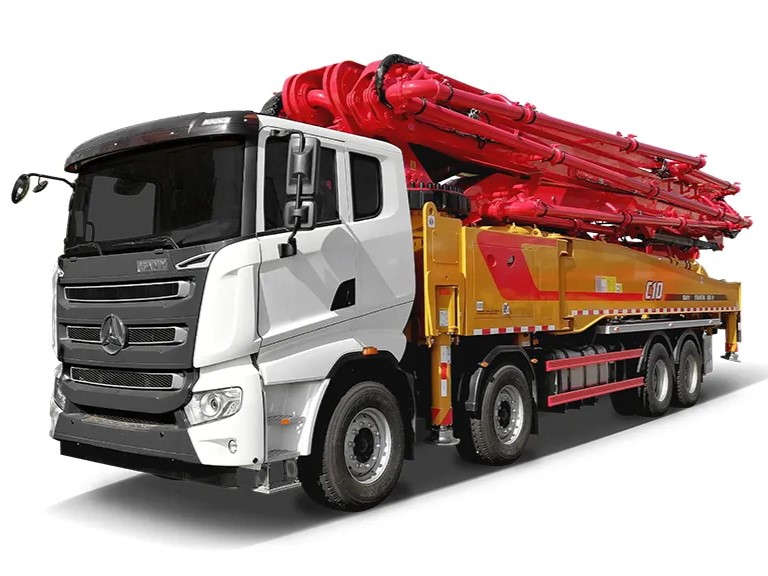
- Boom Pump Trucks: The most common type. They come equipped with an extendable, rotatable placing boom, eliminating the need for pipe laying. They offer high mobility and are suitable for concrete pouring in various large and medium-sized construction projects.
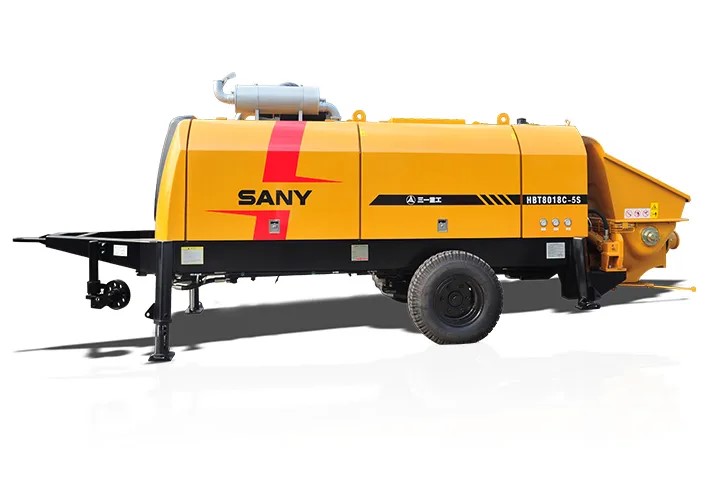
- Trailer Pumps/Line Pumps : These pumps are mounted on a truck chassis but without a boom. They require external pipelines for concrete transport and are mainly used in areas inaccessible to boom pump trucks, such as tunnels, super high-rise buildings, or confined sites with boom restrictions.
3.How to choose the right concrete pump trucks?
When choosing a high quality pump truck, consider the following key factors:
- Pumping Height and Distance: Select a pump truck with an appropriate boom length or transport distance based on the highest and farthest points of the project.
- Pumping Capacity: This is the volume of concrete pumped per hour (m³/h). Large projects require high capacity to ensure progress.
- Construction Site: Is the site spacious? Are there overhead lines or buildings obstructing boom deployment? For narrow sites, line pumps with pipelines might be more suitable.
- Concrete Type: What grade or slump of concrete will you primarily pump? Some pumps are better adapted to certain types of concrete.
4. Common malfunctions and troubleshooting
As heavy engineering machinery, concrete pump trucks are prone to malfunctions in daily use. Common issues include:
- Pipeline Blockage: This is the most common problem, often caused by improper concrete mix design, small slump, insufficient pipeline cleaning, or prolonged pumping interruptions. The solution is to use reverse pumping; if ineffective, the pipe segments must be disassembled and cleaned.
- Hydraulic System Failure: This manifests as insufficient pressure, high oil temperature, slow movements, or no movement at all. Causes usually involve hydraulic oil contamination, pump or valve wear, seal damage, or oil line blockage. Regular inspection and replacement of hydraulic oil and filters, and checking the working status of pumps, valves, and other components are necessary.
- Abnormal Boom Movement: Examples include slow lifting, excessive shaking, or stiff rotation. Potential causes include malfunctions in the hydraulic cylinders, slewing reducers, counterbalance valves, or other components. Check the hydraulic system, electrical control system, and mechanical structure.
5. Maintenance and upkeep
Regular maintenance is crucial for extending the pump truck’s lifespan and ensuring construction safety.
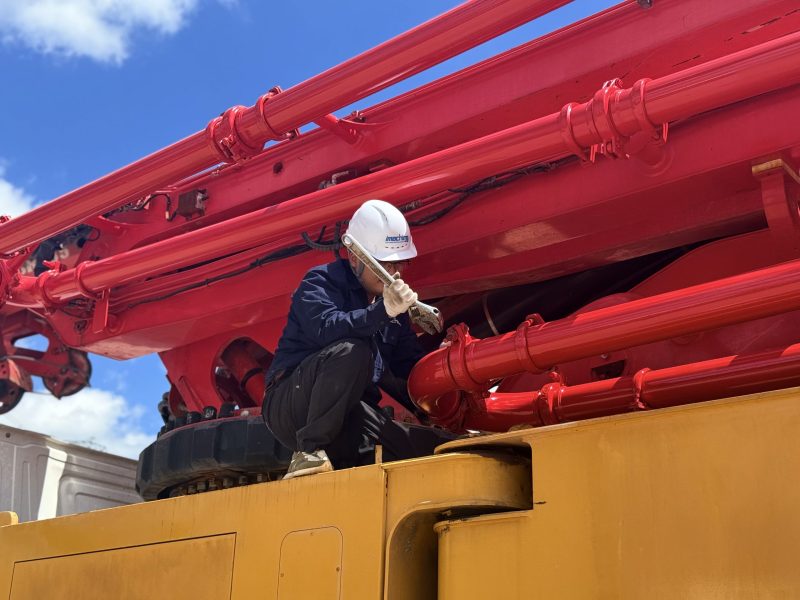
- Daily Maintenance: Before each operation, check engine oil, hydraulic oil, and water tank levels. Verify pipeline connections are secure. Ensure all lubrication points are well-greased. After operation, thoroughly clean the hopper and transport pipelines.
- Periodic Maintenance: Replace engine oil, filters, hydraulic oil, and filters according to the manufacturer’s recommendations. Check and tighten bolts at critical locations. Inspect the boom and structural components for cracks. Examine the electrical system.
We hope this article has addressed some of your questions about concrete pump trucks. If you have further inquiries or wish to learn about concrete pump trucks from well-known brands like SANY or XCMG, please feel free to contact us at any time.